

High-tech ceramics for medical technology—innovation meets precision


Ceramics in Medical Technology: Materials for Precision, Biocompatibility, and High-Tech Applications
High-performance ceramics enable precise, biocompatible, and durable solutions in medical technology, such as for implants, surgical instruments, sensors, and microstructured diagnostic systems. At ceramitec, the leading international trade fair for the ceramics industry, you’ll gain comprehensive insight into current applications, new technologies, and innovations that significantly influence medical progress. Here, it becomes clear why ceramic materials in medical technology are among the most important materials of the future for manufacturers, developers, and researchers.
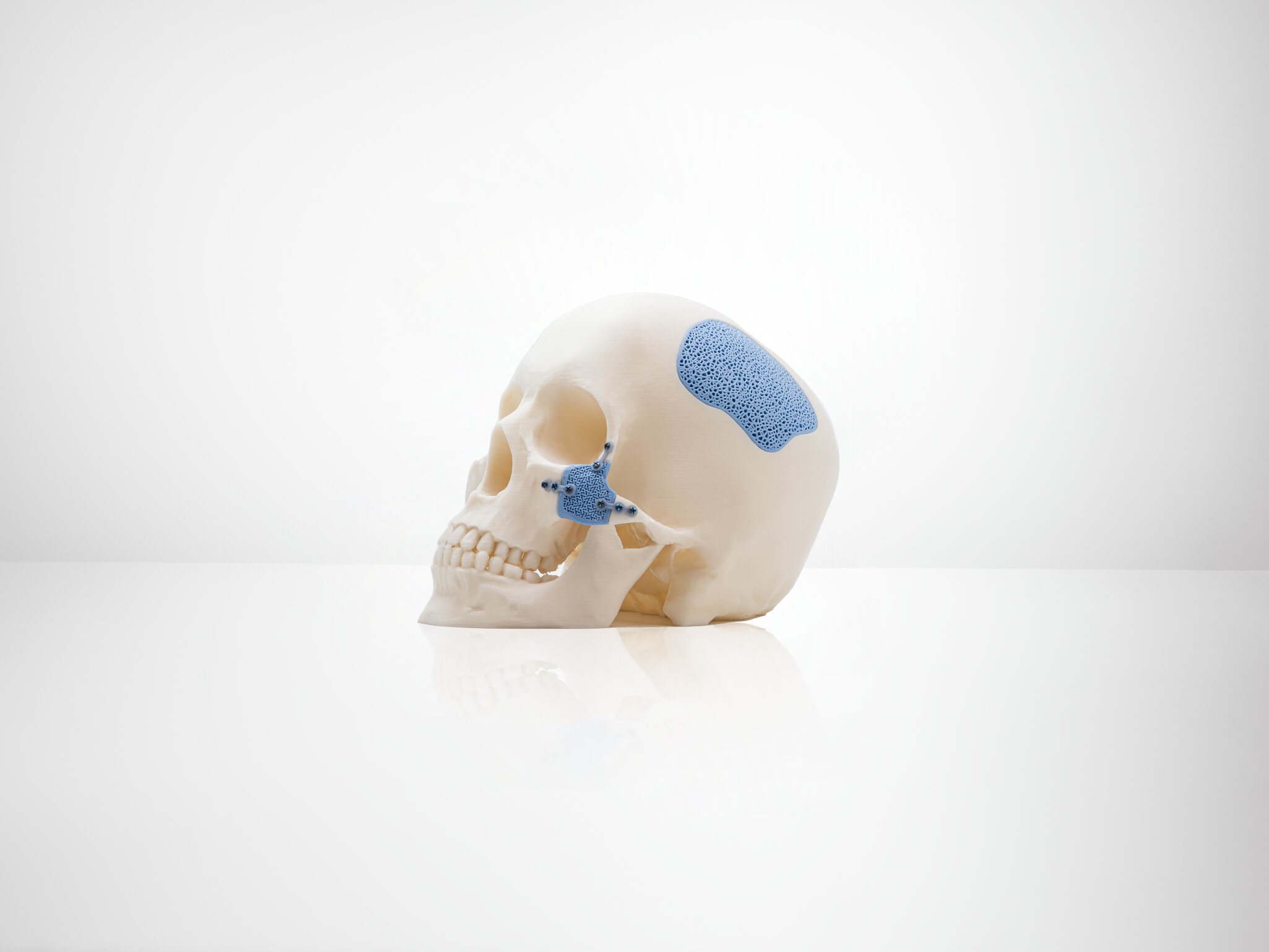
Advantages of Ceramics in Medical Technology
Ceramic materials offer unique functional advantages in medical technology, both for implants and for devices, instruments, and analytical systems. Their most important properties include:
- Excellent compatibility with the human body
- Materials such as hydroxyapatite, zirconia, or alumina promote stable tissue integration
- Minimized risk of inflammation or allergic reactions
- Ideal for implants and sensitive anatomical areas
- Suitable for high-load applications such as ceramic joints or sliding pairs
- Significantly fewer abrasive particles than metallic materials
- Long service life with consistent performance
- Reduced risk of material fatigue
- Resistant to bodily fluids, acids, bases, and sterilization processes
- No corrosion or reactions with medical substances
- Ideal for surgical instruments, implants, and laboratory equipment
- High reliability even in demanding clinical environments
- Excellent electrical insulation properties for sensors, laser devices, and HF surgery
- Stability under extreme temperatures and thermal loads
- Important for precise measurement and control processes
- Increased safety due to consistent material properties
- Ceramic components maintain their dimensional accuracy even under high stress
- Enable extremely tight tolerances for microsurgery and dental technology
- No deformation or yielding of the material
- Foundation for durable, high-precision medical components
Applications & Technologies of Ceramic Materials in Medical Technology
Technical ceramics are used in a wide range of applications in the medical technology sector. Key areas include:
- Ceramic implants for the hip, knee, and spine
- Zirconia implants in dentistry
- Surface-modified implants for improved osseointegration
- Hydroxyapatite ceramics as a coating or bone substitute material
- Ceramic crowns, bridges, and abutments
- CAD/CAM-supported high-performance ceramics
- Low-wear ceramic joints for the jaw
- Ceramic scalpel blades
- Electrically insulating components for high-frequency surgery
- Corrosion-free, sterilizable instruments
- Ceramic microfluidic chips
- Sensor components for laboratory automation
- Ceramic high-temperature and pressure sensors
- 3D-printed ceramics for patient-specific implants
- Complex internal geometries for precise fluidics in analytical instruments
- Functionalized surfaces (e.g., antibacterial structures)
Trends & News in Ceramics and Medicine
Ceramics in medical technology are currently experiencing a major surge in innovation. These trends will shape developments in the coming years:
3D printing enables customized implants that are precisely tailored to the patient’s anatomy and load profiles. This is particularly relevant for complex cases in orthopedics or facial surgery.
Coatings made of hydroxyapatite, bioactive ceramics, or nanostructured surfaces improve:
- Healing
- Tissue interaction
- Long-term stability
Medical technology is evolving toward small, precise components:
- Microvalves
- Microfluidic systems
- Sensor interfaces
Ceramics offer ideal material properties for these applications.
Digital processes such as CAD/CAM manufacturing increase precision and ensure durable, aesthetic results.
New generations of ceramic instruments are:
- lighter
- corrosion-free
- sharper
- durable
Ceramics excel in:
- high durability
- long service life
- reduced abrasion & particle formation
- improved sterilizability
AI models material behavior, optimizes manufacturing processes, and accelerates innovation in ceramic medical technology.
Innovative Prospects for Technical Ceramics in Medical Technology
The role of ceramics in medical technology will continue to grow in the coming years.
With integrated sensors, implants will be able to:
- Measure loads
- Detect inflammation parameters
- Transmit data in real time
Ceramics serve as a biocompatible, electrically insulating housing.
Ceramics such as hydroxyapatite/tricalcium phosphate enable:
- Bone regeneration
- Controlled degradation
- Patient-specific resorption rates
3D printing of ceramics is advancing rapidly—complex internal structures, functional gradients, or flexible hybrid implants are becoming possible.
With increasing miniaturization, ceramic microfluidics is becoming a key technology for POCT (Point of Care Testing) devices.
Materials of the future combine:
- extreme strength
- antibacterial properties
- high energy efficiency in manufacturing
- better recyclability
Research is clearly moving toward:
- biofunctionalized surfaces
- integration of sensor technology
- combination of ceramics + AI + data analysis
Discover the role of ceramics in medical technology at ceramitec
At ceramitec, the leading international trade fair for the ceramics industry, you can experience the full range of ceramic applications in medical technology—from innovative implants and high-precision surgical instruments to additively manufactured components, functionalized surfaces, and microstructured components for diagnostics and sensor technology. Exhibitors from research, industry, and MedTech will present the latest material developments, manufacturing technologies, and application examples of technical ceramics.
The trade show offers you the ideal platform to discover the latest trends, exchange ideas with experts, and gain insight into the future role of ceramics in medical technology. Whether it’s materials science, implant technology, dental technology, or high-tech diagnostics—at ceramitec, you’ll see how ceramic materials are shaping medical progress in a sustainable way.
FAQ: Frequently Asked Questions About Ceramics in Medical Technology
Ceramics are now widely used in nearly all analytical disciplines. The following areas of application are considered particularly relevant:
Ceramic materials combine biocompatibility, hardness, chemical stability, and high wear resistance. This makes them ideal for implants, surgical instruments, dental applications, and diagnostic systems. Ceramics reduce abrasive particles, minimize the risk of inflammation, and retain their shape even under continuous stress—a decisive advantage in clinical use.
In medical technology, aluminum oxide, zirconia, and bioactive ceramics such as hydroxyapatite are primarily used. They differ in terms of strength, biocompatibility, and functional capabilities. Depending on the application—such as implants, sensors, or dental technology—the material is precisely tailored to specific requirements and stresses.
Ceramic implants are widely used in orthopedics, dentistry, and spinal surgery. They serve, for example, as hip and knee joint components, dental implants, or spinal supports. Thanks to their high biocompatibility, precise fit, and low wear, they offer patients durable, stable, and well-tolerated treatment solutions.
Zirconia ceramic offers a combination of natural aesthetics, high strength, and excellent biocompatibility. It enables the fabrication of precise CAD/CAM-manufactured crowns, bridges, and implant abutments. At the same time, ceramics are color-stable, durable, and long-lasting, making them a preferred material in modern dentistry.
Yes. Modern additive manufacturing processes enable the production of complex ceramic structures for implants, microfluidics, or sensor technology. 3D-printed ceramics allow for patient-specific geometries, extremely fine internal channels, and functionalized surfaces. This technology significantly expands the range of applications and accelerates development processes in medical technology.
Technical Ceramics and Bioceramics in Medical Technology
Why it's worth visiting ceramitec 2028
ceramitec is more than just a trade fair—it is a platform for high-performance ceramics. It brings together developers, suppliers, and users, offering the perfect environment for discovering innovations, sharing knowledge, and forging new partnerships. Anyone looking for material expertise will find it here.